
When you walk into a home in East Texas, the first thing you notice isn't the paint or the furniture, it’s the floor. In our region, where humidity is high and lake life often brings sand and water indoors, your choice of flooring matters more than ever. Whether you are upgrading a farmhouse in Athens or building a modern retreat, picking the right tile is a major decision. At Apex Custom Floors, we’ve spent over 15 years helping neighbors choose materials that don’t just look good but actually hold up to real life. This guide breaks down the design and technical side of tile so you can make a choice you’ll love for decades.
Selecting the Right Tile Material for East Texas Homes
Not all tile is created equal. While many people use the terms "ceramic" and "porcelain" interchangeably, they perform differently in a Texas climate. Porcelain tile is denser and less porous than ceramic. This makes it the better choice for high-traffic areas or spaces that might get wet, like kitchens and entryways. If you want the most durable surface possible, porcelain is usually the way to go.
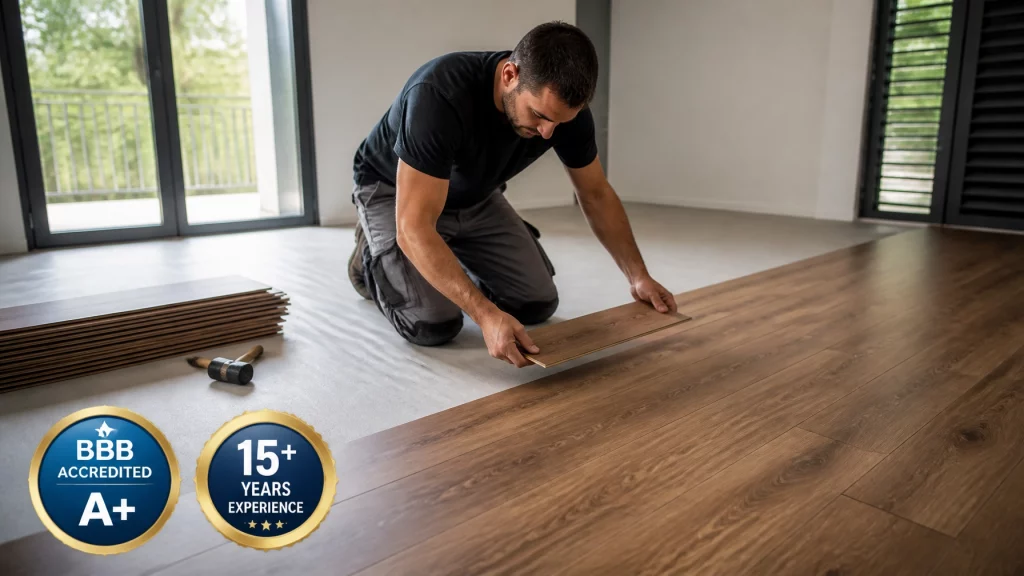
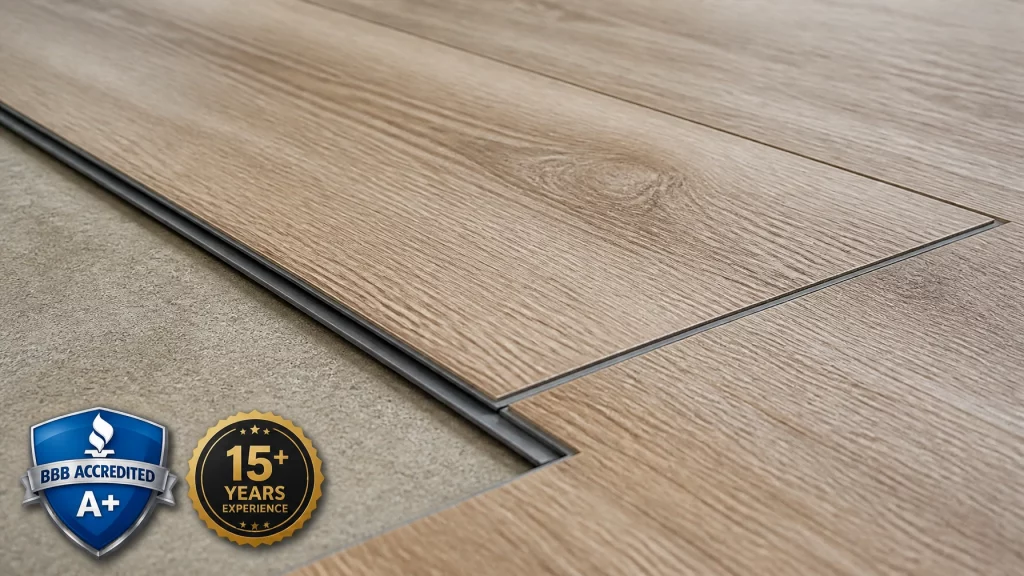
For those who want the look of wood but the durability of stone, tile flooring installation often involves wood-look planks. These give you the warmth of oak or walnut without the risk of warping from humidity. However, we also see many people opting for luxury vinyl plank and SPC installation when they want a softer feel underfoot that is still 100% waterproof. Both are excellent options, but tile remains the king of longevity and heat resistance in our hot Texas summers.
Large-Format Tile: Why Scale Matters for Lake Homes
If you live near Cedar Creek Lake, you probably want your home to feel open, airy, and connected to the water. One of the best ways to do this is with large-format tile. Any tile where one side is longer than 15 inches is generally considered large-format. Common sizes today include 12×24, 24×24, or even massive 24×48 slabs.
Large tiles mean fewer grout lines. Fewer grout lines mean a cleaner, more expansive look that makes a room feel bigger than it actually is. It also means less scrubbing later. When we install these in lake houses, we recommend running the long side of the tile parallel to the longest wall or toward the lake view. This creates a visual path that leads the eye straight to the scenery outside.

Popular Tile Patterns: Herringbone, Diagonal, and 1/3 Stagger
The pattern you choose for your floor can change the entire "vibe" of your home. A standard "grid" pattern is classic, but it can sometimes feel a bit stiff. If you want something more dynamic, consider these options:
- 1/3 Stagger (Offset): For large rectangular tiles, we almost always recommend a 1/3 offset. This means each row starts one-third of the way into the previous tile. We avoid a 50% "brick" offset with large tiles because many tiles have a slight natural "bow" in the middle. A 50% offset puts the highest point of one tile next to the lowest point of the next, which causes "lippage" (uneven edges). The 1/3 offset keeps the floor flat and smooth.
- Herringbone: This is a high-end look that is perfect for entryways or custom showers. It uses rectangular tiles set at 45-degree angles to create a "V" shape. It takes more time and material to install, but the result is a stunning focal point.
- Diagonal: Setting square tiles on a 45-degree angle to the walls can make a narrow room feel wider. It’s an old-school trick that still works wonders in smaller bathrooms or hallways.
The Grout Guide: Choosing Between Seamless and Statement Looks
Grout is more than just the "glue" between tiles; it is a major design element. You have two main choices here: matching or contrasting.
If you choose a grout color that perfectly matches your tile, you get a "seamless" look. This is ideal for large-format tiles because it makes the floor look like one continuous slab of stone. It’s a very modern, high-end approach.
On the other hand, if you choose a contrasting color, like dark grout with white subway tile, you are making a statement. This highlights the pattern of the tile. While this looks great in a laundry room or a backsplash, be careful in high-traffic areas. Very light grout in an entryway can be a nightmare to keep clean if people are tracking in North Texas red dirt or lake sand. We often suggest a medium-tone gray or "driftwood" color that hides dirt well while still looking sharp.
Preparation and Installation: Why Professional Subfloor Leveling is Non-Negotiable
You can buy the most expensive tile in the world, but if your subfloor isn't flat, the floor will fail. This is the most common mistake we see with DIY jobs or budget contractors. In East Texas, many homes sit on slab foundations that shift over time, or pier-and-beam homes that have slight dips.
Before a single tile goes down, we check the floor for flatness. Large-format tiles are very unforgiving; if there is even a small hump in the concrete, the tile will "rock" and eventually crack. We use self-leveling compounds and high-quality mortars to ensure a perfectly flat surface.

FAQ: Your Tile and Flooring Questions Answered
Is porcelain tile better than LVP for a lake home?
It depends on your priorities. Porcelain is more durable and will last longer, but it is colder and harder on your feet. LVP (Luxury Vinyl Plank) is softer, warmer, and easier to replace later if you want a change. Both are great for waterproof flooring, so it really comes down to the "feel" you want in your home.
Can I put new tile over my old tile?
Technically, yes, if the old tile is perfectly bonded and flat. However, we usually don't recommend it. It raises the height of your floor, which means you might have to trim your doors and your transitions to other rooms will look awkward. Doing the demo and starting fresh is always the best way to ensure a long-lasting result.
How long does a professional tile installation take?
For an average-sized room, you should plan on 3 to 5 days. This includes floor prep, laying the tile, letting the mortar set, and then coming back the next day to grout and clean. You shouldn't walk on it for at least 24 hours after the grout is finished.
What is the best tile for a walk-in shower?
For the walls, you can use almost anything: large porcelain or decorative ceramic. For the floor, you need something with more grout lines or a textured surface so you don't slip. Small "mosaic" tiles are the standard for shower floors because they follow the slope of the drain easily and provide plenty of grip.

Conclusion
Choosing the right flooring for your home is about balancing beauty with the practical needs of North Texas living. From the high-traffic mudrooms of Corsicana to the luxury retreats on Richland Chambers Lake, the right tile pattern and grout choice can turn a simple room into a masterpiece. Remember that the "hidden" work: the subfloor prep and the layout planning: is just as important as the tile itself.
If you are ready to start your next project, don't leave it to chance. Work with a team that has the experience to get it right the first time.
Apex Custom Floors
Get a Free Estimate Today!
(903) 229-9556
https://apexcustomfloors.com/