Meta description: Use this practical tile flooring guide to compare porcelain tile and ceramic tile, choose the right tile design for each room, plan grout and layout, and understand tile costs in North and East Texas.
Tile flooring is one of the most durable choices for Texas homes. It handles foot traffic, pets, spills, wet shoes, and regular cleaning. It also gives you many options for color, size, texture, and layout.
Still, choosing tile involves more than picking a color from a showroom wall. You need the right material for the room, a layout that fits the space, grout that is practical to maintain, and professional installation over a properly prepared surface.
This guide explains the most important parts of tile selection for homeowners in Corsicana, North Texas, and East Texas. It also covers bathrooms, kitchens, entryways, lake homes, custom showers, maintenance, cost, and resale value. If you live near the water, our Cedar Creek Lake flooring services can help you plan a flooring system suited to wet feet, sand, pets, and everyday lake-home traffic.
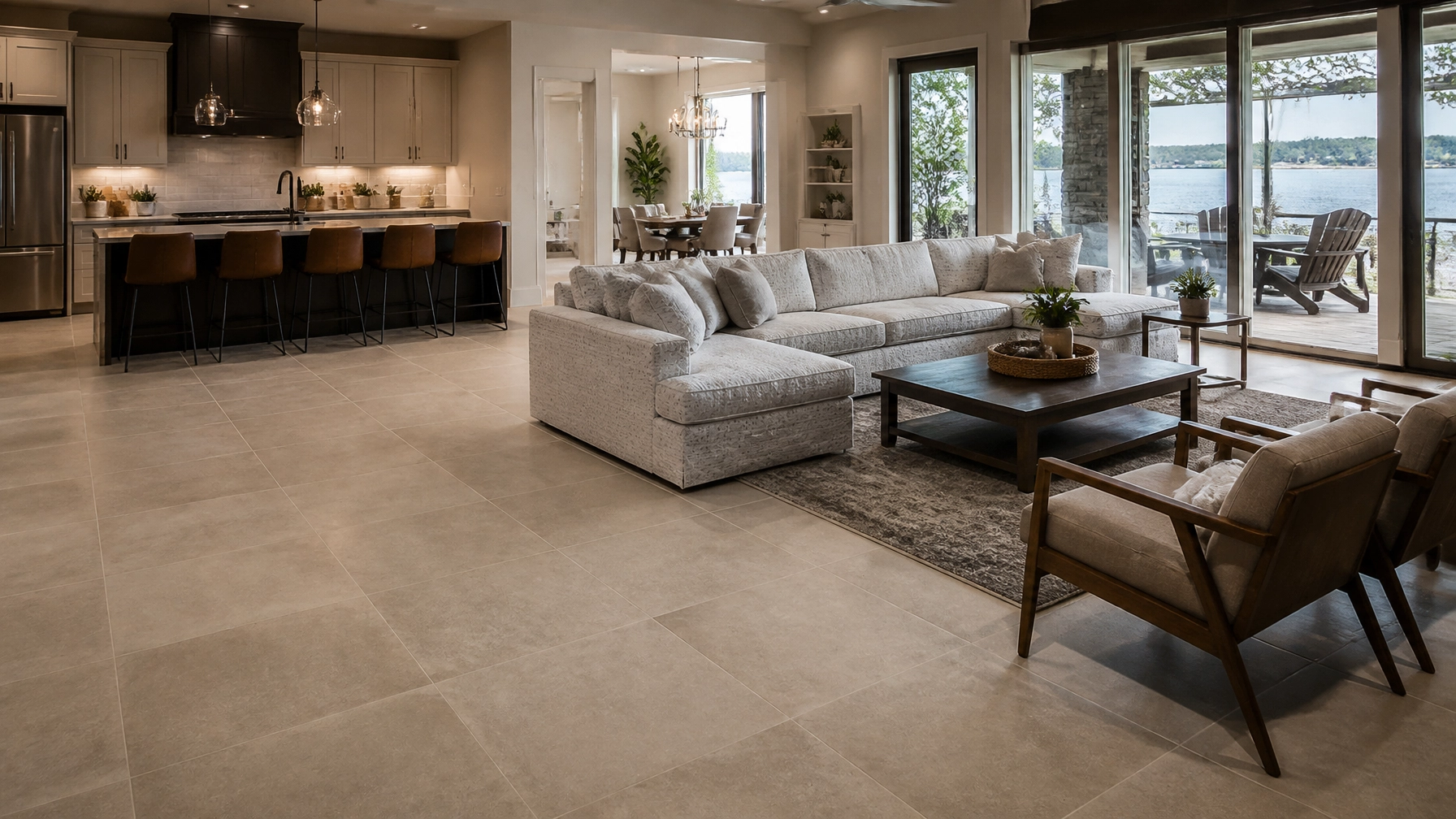
Featured Image Prompt: Photorealistic completed tile flooring installation in a realistic modern Texas home, open-plan kitchen and living area with warm natural daylight, large-format matte porcelain tile in a neutral stone tone, realistic furniture, subtle lake-home character, professionally aligned grout lines, believable room proportions, clean but lived-in interior, high-resolution contractor portfolio photography, sharp focus, no people, no text, no logos, no watermarks, no manufacturer branding, 16:9 landscape composition.
Porcelain Tile vs. Ceramic Tile: What Is the Difference?
Porcelain tile and ceramic tile are both made from clay and fired in a kiln. The main difference is density and water absorption.
Porcelain tile is made from finer clay and fired at a higher temperature. It is denser, harder, and more resistant to moisture. Porcelain is generally classified as having water absorption of 0.5% or less. That makes it a strong choice for bathroom floors, kitchens, entryways, laundry rooms, and other areas that see water or heavy use.
Ceramic tile is usually less dense and more porous. It is often easier to cut and may cost less than porcelain. Ceramic is a practical choice for many interior walls, backsplashes, shower walls, and lighter-duty floors when the product is rated for that use.
For most busy residential floors, porcelain is the safer starting point. For walls and decorative tile work, ceramic can offer more flexibility and value.
Do not choose based on the word “porcelain” alone. Review the technical information for:
- Water absorption
- PEI wear rating
- Slip resistance
- Interior or exterior use
- Floor or wall application
- Recommended grout joint width
A flooring contractor can help you match the product specifications to the room instead of choosing tile based only on appearance.
Choosing Tile for Bathrooms, Kitchens, Entryways, and Lake Homes
The best tile selection depends on how the room is used.
Bathrooms
Bathroom floors need moisture resistance and a surface that is comfortable and safe underfoot. Matte or lightly textured porcelain is often a good choice for bathroom flooring.
Shower floors usually require smaller tile or mosaic tile. Smaller pieces create more grout joints, which can help the surface follow the slope toward the drain. The tile should also be rated for wet-floor use.
For shower walls, porcelain and ceramic can both work when properly installed. Porcelain offers strong moisture and stain resistance. Glazed ceramic may provide more design options at a lower material cost.
Kitchens
Kitchen floors deal with food spills, grease, dropped items, chairs, pets, and daily foot traffic. Porcelain tile with a matte or low-sheen finish is often a practical option.
For backsplashes, glazed ceramic tile is popular because it is easy to wipe clean and comes in many colors and shapes. A backsplash also gives you more freedom to use a decorative pattern because it does not receive the same wear as a floor.
Entryways and Mudrooms
Entryways collect grit, sand, water, and dirt. This is especially true in lake homes and homes with active pets. Choose a floor-rated tile with good durability and a surface that is not overly slick when wet.
Mid-tone tile with some natural variation can hide small amounts of dirt between cleanings better than solid white or very dark tile. A professional installation also needs a clean transition where the tile meets LVP, SPC, hardwood, or another flooring type.
Lake Homes
Homes near Cedar Creek Lake and Richland Chambers Lake often see wet towels, bare feet, sandy shoes, outdoor traffic, and guests moving between the house and the water. Porcelain tile is a strong choice for entry areas, kitchens, bathrooms, laundry rooms, and lake-facing walkways. If you are comparing styles for a primary residence or remodel nearby, our tile flooring options for Athens homes can help you narrow down what works best for your layout and traffic.
For covered outdoor or transitional areas, confirm that the tile is rated for exterior use. Standard indoor ceramic tile should not be used outdoors.

Supporting Image Prompt: Photorealistic tile selection scene inside a real Texas home renovation, homeowner and professional flooring installer naturally reviewing porcelain and ceramic tile samples on a kitchen floor plan, sample boards and measuring tape visible without readable labels, warm daylight, realistic tools, authentic contractor consultation, neutral kitchen background, natural interaction, marketing-quality photography, sharp focus, no logos, no text, no watermarks, no manufacturer branding, 16:9 landscape format.
Tile Size, Layout, and Grout Can Change the Whole Design
Tile design is not just about color. Size, direction, pattern, and grout can make a room feel wider, longer, busier, or calmer.
Choosing the Right Tile Size
Small mosaics work well on shower floors, niches, and accent areas. The extra grout joints can provide visual detail and help with sloped surfaces.
Medium and large-format tile can make a room look more continuous because there are fewer grout lines. Common rectangular formats can work well in kitchens, bathrooms, entryways, and living areas.
Large tile requires careful substrate preparation. If the floor is uneven, large-format tile can develop lippage, where one tile edge sits higher than the next. Proper floor preparation is a major part of a successful installation.
Selecting a Layout
A straight grid layout offers a clean and simple appearance. A brick or offset layout adds movement and can work well with rectangular tile. Herringbone and diagonal layouts create more visual interest but require additional planning and cutting.
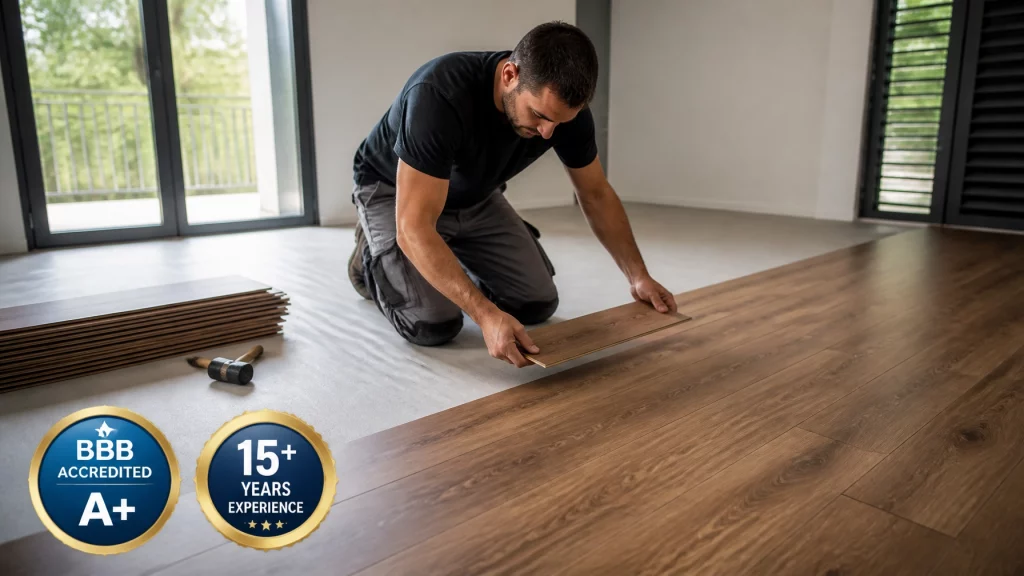
Wood-look porcelain tile is another option for homeowners who want a warmer appearance without using natural wood in moisture-prone rooms. The tile can be installed in a plank pattern, but the layout still needs to be planned around room dimensions, doorways, cabinets, and transitions.
Planning Grout
Grout color affects both appearance and maintenance. A grout color close to the tile creates a quieter look. A contrasting color emphasizes the pattern and individual tile shapes.
For active homes, a mid-tone grout may be easier to maintain than bright white grout. Cement-based grout may need sealing according to the product instructions. Epoxy grout can offer strong stain resistance, but it costs more and requires careful installation.
The right grout joint depends on the tile edges and manufacturer recommendations. Rectified porcelain may allow narrower joints. Handmade, rustic, or non-rectified tile may require wider joints to accommodate variation.
Waterproofing Matters Most in Custom Tile Showers
Tile itself is not the waterproofing system. A shower needs a properly prepared base, waterproof walls, protected corners and seams, correct drainage, and a shower pan designed for wet conditions.
That is why a custom tile shower should be planned as a complete system. The tile is the visible finish, but the layers behind it protect the structure.
Important planning details include:
- Shower pan and drain placement
- Wall and floor waterproofing
- Corners, seams, and pipe penetrations
- Recessed niches and built-in benches
- Shower floor slope
- Tile size and grout joints
- Glass enclosure measurements
- Transitions from the shower to the bathroom floor
A large-format wall tile can create a clean look with fewer grout lines. A smaller textured tile may be more suitable for the shower floor. The materials should work together without creating awkward cuts around niches, valves, benches, and corners.
A professional custom tile shower installation includes design planning, waterproofing considerations, tile layout, and finishing details. Cutting corners during preparation can lead to loose tile, cracked grout, leaks, or costly repairs later.

Supporting Image Prompt: Photorealistic completed custom tile shower in a realistic North Texas bathroom, large-format porcelain wall tile, small-format textured shower floor tile, recessed niche, built-in bench, frameless clear glass enclosure, brushed metal fixtures, clean waterproof-ready construction details, natural window light, realistic proportions, professionally finished remodeling project, no people, no text, no logos, no watermarks, no manufacturer branding, 16:9 landscape composition.
Tile Flooring vs. LVP and SPC Flooring
Tile flooring is not the only durable option for North and East Texas homes. LVP and SPC flooring can also be practical, especially in living rooms, bedrooms, rental properties, and whole-home installations.
Tile may be the better fit when you want:
- A hard, highly durable surface
- Strong resistance to heat and moisture
- A floor for bathrooms, kitchens, and entryways
- Custom patterns and decorative layouts
- A long service life with proper installation
- Tile continuity from the floor into a shower or backsplash design
LVP or SPC may be a better fit when you want:
- A warmer or softer feel underfoot
- Wood-look flooring throughout several rooms
- Faster installation in suitable spaces
- A lightweight flooring material
- Easy replacement of individual planks
- A consistent look across bedrooms and living areas
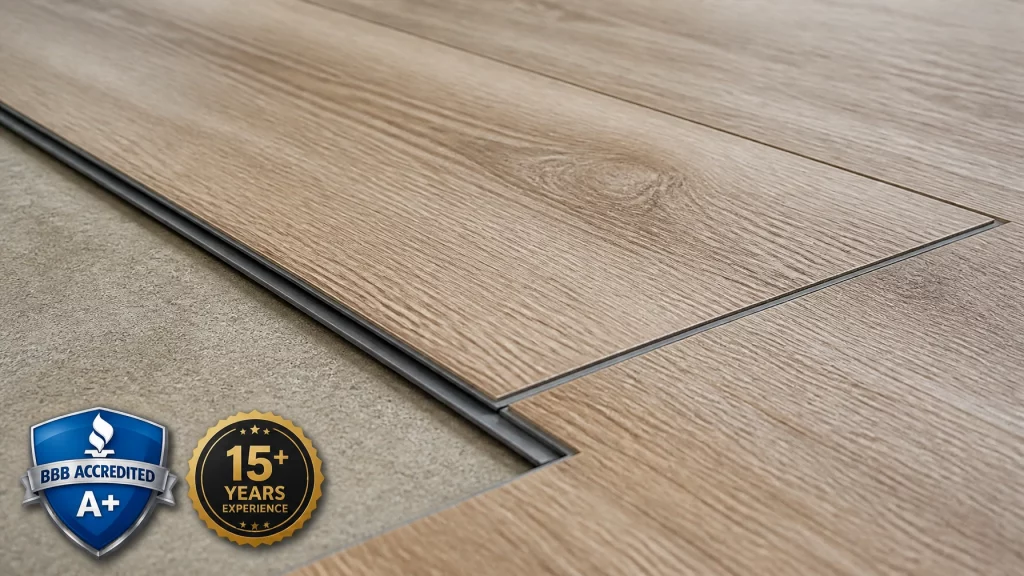
Tile can feel harder and cooler than vinyl flooring. It may also require more subfloor preparation and more labor for cutting and setting. LVP and SPC can be more forgiving in some situations, but they still require a clean, stable, and properly prepared subfloor.
You can compare these choices with Apex’s LVP and SPC flooring options before deciding which material fits each room. Many homeowners use tile in wet or high-traffic areas and LVP or SPC in living spaces and bedrooms.
Maintenance and Durability: What to Expect
Tile is relatively easy to maintain, but it is not maintenance-free.
Use a soft broom, dust mop, or vacuum designed for hard floors to remove grit. Grit can act like sandpaper under shoes and furniture. Clean spills promptly, especially in kitchens and entryways.
For routine cleaning:
- Remove loose dirt first.
- Use a manufacturer-approved cleaner.
- Avoid harsh chemicals unless the tile and grout manufacturer approves them.
- Do not allow dirty water to sit on grout.
- Follow the recommended schedule for sealing cement-based grout.
Porcelain and ceramic tile are generally resistant to stains, but grout can absorb dirt if it is not maintained. A cracked tile or damaged grout joint should be evaluated instead of ignored. Small problems can become larger when moisture reaches the substrate.
A professional tile flooring installation should include attention to floor preparation, layout, adhesion, clean cuts, transitions, and grout spacing. These details affect how the floor performs as much as the tile itself.

Supporting Image Prompt: Photorealistic close-up and wide detail of professionally installed porcelain tile flooring in a busy Texas lake-home entryway, matte wood-look porcelain planks or rectangular tile with straight consistent grout joints, realistic wet shoes and subtle sand near the doorway but clean maintained room, durable natural materials, daylight, sharp craftsmanship detail, authentic residential contractor portfolio photography, no people visible, no text, no logos, no watermarks, no manufacturer branding, 16:9 landscape format.
Tile Cost, Material Selection, and Resale Value
The cost of tile flooring depends on more than the price per square foot. Your total project may include:
- Tile material
- Grout and setting materials
- Subfloor or surface preparation
- Removal and disposal of existing flooring
- Waterproofing
- Layout complexity
- Number of cuts
- Transitions and trim
- Room size and access
- Shower niches, benches, and other custom details
Large-format tile can require more preparation and handling. Herringbone, diagonal, and detailed patterns usually require more layout time and create more cuts. A custom shower includes additional waterproofing and construction steps beyond a standard bathroom floor.
A lower-cost tile can become expensive if it fails because of poor preparation or improper installation. Ask what is included in the estimate and whether the installer has accounted for substrate conditions, transitions, grout, and cleanup.
Customers can also buy flooring materials directly from Apex Custom Floors. Our team can help you compare tile and other flooring materials based on the room, design, expected traffic, maintenance needs, and budget.
For resale value, durable and neutral tile can appeal to future buyers, especially in kitchens, bathrooms, laundry rooms, and entryways. However, resale value is not guaranteed by any single flooring product. Good installation, practical color choices, clean transitions, and a design that fits the home usually matter more than chasing a short-term trend.
Apex also offers specialty tile services for backsplashes, fireplace tile, accent areas, and other custom details that can coordinate with a larger flooring plan.
Frequently Asked Questions About Tile Flooring
Is porcelain tile better than ceramic tile for a bathroom floor?
Porcelain is often the better choice for bathroom floors because it is denser and less porous. Ceramic can still work in some bathroom applications if it is rated for floor use and installed correctly. The tile’s slip resistance and intended application should be reviewed before purchase.
What tile is best for a lake house?
Porcelain tile is a strong option for lake-home kitchens, bathrooms, entryways, and laundry rooms. Look for a durable, low-absorption tile with a matte or lightly textured surface. Mid-tone colors and natural variation can help hide small amounts of sand and dirt.
What size tile is best for a shower floor?
Smaller tile or mosaic tile is commonly used for shower floors because it can follow the slope toward the drain and provide more grout joints. The product must still be appropriate for wet-floor use.
Does tile flooring crack easily?
Tile can crack when the substrate moves, the surface is not properly prepared, the wrong setting materials are used, or heavy objects impact the floor. Professional preparation and installation help reduce these risks. Existing cracks or movement should be addressed before new tile is installed.
Is tile easier to maintain than LVP or SPC?
Both tile and LVP/SPC can be easy to maintain. Tile is highly durable and handles heat and moisture well, but grout needs regular cleaning. LVP and SPC usually have fewer joints and can feel easier to clean in living areas. The best choice depends on the room and how the space is used.
Can Apex Custom Floors provide the tile materials?
Yes. Customers can buy flooring materials directly from Apex Custom Floors. We can also help you select materials and plan installation for tile flooring, custom showers, backsplashes, and other approved flooring projects.
How do I choose grout color?
Choose a grout color that supports both the design and the maintenance level you want. A blended color creates a more continuous appearance. A contrasting color emphasizes the layout but may show dirt and discoloration more clearly.
Plan Your Tile Flooring Project With a Local Contractor
The right tile flooring depends on the room, the people using it, and the conditions it must handle. Porcelain is often a practical choice for wet and high-traffic areas. Ceramic can work well for walls, backsplashes, and selected interior applications. Size, layout, grout, waterproofing, and surface preparation all affect the final result.
Apex Custom Floors helps homeowners, property managers, builders, and business owners plan flooring projects throughout Corsicana, North Texas, and East Texas. We serve communities including Athens, Ennis, Fairfield, Gun Barrel City, Hillsboro, Kaufman, Cedar Creek Lake, and Richland Chambers Lake flooring areas.
Image Prompts for Publishing
Featured Image Prompt: Photorealistic completed tile flooring installation in a realistic modern Texas home, open-plan kitchen and living area with warm natural daylight, large-format matte porcelain tile in a neutral stone tone, realistic furniture, subtle lake-home character, professionally aligned grout lines, believable room proportions, clean but lived-in interior, high-resolution contractor portfolio photography, sharp focus, no people, no text, no logos, no watermarks, no manufacturer branding, 16:9 landscape composition.
Supporting Image Prompt 1: Photorealistic tile selection scene inside a real Texas home renovation, homeowner and professional flooring installer naturally reviewing porcelain and ceramic tile samples on a kitchen floor plan, sample boards and measuring tape visible without readable labels, warm daylight, realistic tools, authentic contractor consultation, neutral kitchen background, natural interaction, marketing-quality photography, sharp focus, no logos, no text, no watermarks, no manufacturer branding, 16:9 landscape format.
Supporting Image Prompt 2: Photorealistic completed custom tile shower in a realistic North Texas bathroom, large-format porcelain wall tile, small-format textured shower floor tile, recessed niche, built-in bench, frameless clear glass enclosure, brushed metal fixtures, clean waterproof-ready construction details, natural window light, realistic proportions, professionally finished remodeling project, no people, no text, no logos, no watermarks, no manufacturer branding, 16:9 landscape composition.
Supporting Image Prompt 3: Photorealistic close-up and wide detail of professionally installed porcelain tile flooring in a busy Texas lake-home entryway, matte wood-look porcelain planks or rectangular tile with straight consistent grout joints, realistic wet shoes and subtle sand near the doorway but clean maintained room, durable natural materials, daylight, sharp craftsmanship detail, authentic residential contractor portfolio photography, no people visible, no text, no logos, no watermarks, no manufacturer branding, 16:9 landscape format.
Call Apex Custom Floors
Ready to compare tile options, plan a custom shower, or decide between tile flooring and LVP or SPC?
Apex Custom Floors provides professional flooring and tile installation for homes and businesses throughout Corsicana, North Texas, and East Texas. We offer material guidance, clean job sites, proper preparation, flexible financing options, and a one-year workmanship warranty.
Call for a free estimate or to discuss your project.
Call Apex Custom Floors at 903-229-9556.